
Surgical Tooth Extraction in Burlington
Some teeth require more detailed planning before they can be removed safely and comfortably. At Burlington Dental Studio, we provide surgical tooth extraction in Burlington for suitable patients after a careful dental assessment, digital X-rays when appropriate, and clear treatment planning.
Our clinic is located at 3537 Fairview St, Burlington, ON, making us accessible for patients from Tansley Woods, Palmer, Headon Forest, The Orchard, Millcroft, Alton Village, Brant Hills, Roseland, Shoreacres, Pinedale, Appleby, Longmoor, Dynes, and Central Burlington. Whether you have a broken tooth, impacted tooth, wisdom tooth concern, or a tooth that cannot be removed with a simple extraction, our dentist can assess your needs and explain appropriate next steps.
A surgical extraction is not needed for every tooth removal. The decision depends on the tooth’s position, visibility, root shape, condition, surrounding bone, gum tissue, symptoms, and overall oral health.
What Is a Surgical Tooth Extraction?
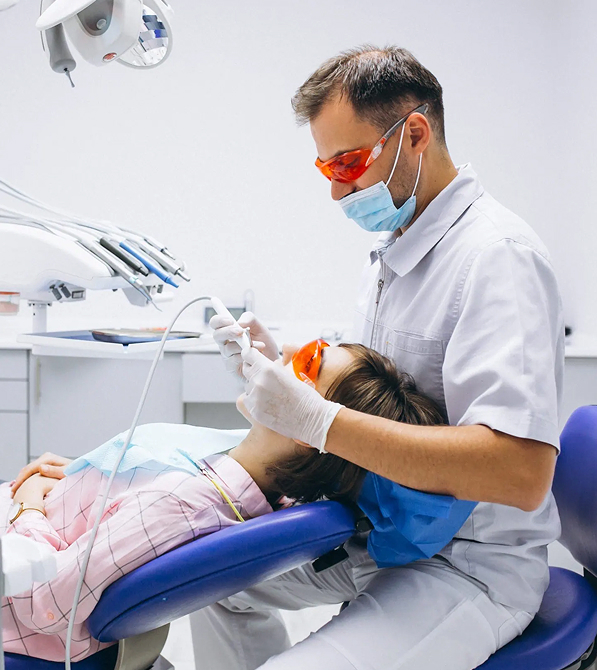
A surgical tooth extraction is a tooth removal procedure that may involve additional steps beyond a simple extraction. A simple extraction is usually possible when the tooth is fully visible and accessible. A surgical extraction may be needed when the tooth is broken, impacted, partly below the gumline, difficult to access, or has complex roots.
Surgical tooth extraction may be considered for:
- Broken teeth below the gumline
- Impacted teeth
- Partially erupted wisdom teeth
- Teeth with curved or complex roots
- Severely decayed teeth
- Teeth weakened by old restorations
- Teeth affected by infection or bone changes
- Teeth that cannot be removed predictably with a simple extraction
A dental exam and imaging are needed before recommending surgical extraction. Some teeth may still be treatable with restorative care, root canal therapy, or crowns, depending on the findings.
Surgical Extraction vs. Simple Tooth Extraction
A simple extraction may be appropriate when the tooth is visible in the mouth and can be removed without additional surgical access. A surgical extraction may be required when the tooth is not easily accessible or needs more careful removal.
For example, a tooth may need surgical extraction if it is broken close to the gumline, trapped under gum tissue, impacted in the jaw, or has root shapes that require sectioning. Wisdom teeth may also require surgical extraction if they are angled, impacted, or only partly erupted.

When Might You Need Surgical Tooth Extraction?
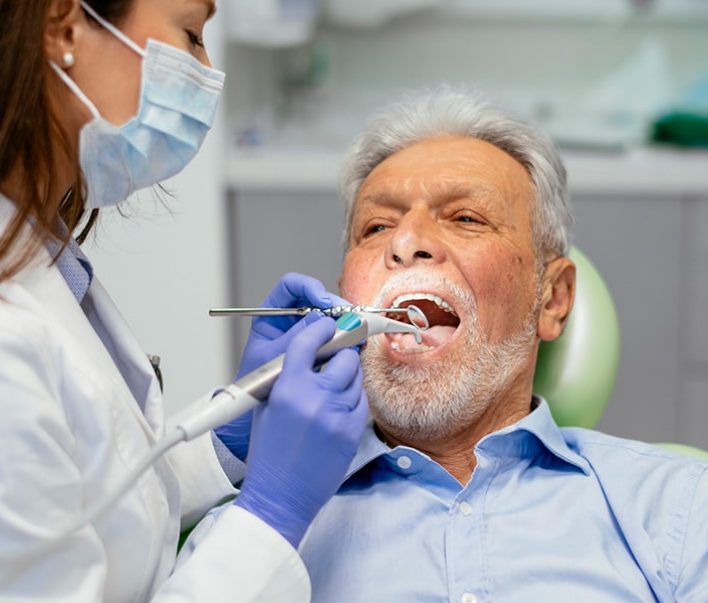
You may need a surgical tooth extraction if a tooth cannot be removed predictably through a straightforward extraction. This can happen when tooth structure is limited or when the tooth’s position makes removal more complex.
Reasons to book an assessment include:
- A broken tooth near or below the gumline
- A tooth that cannot be repaired
- Wisdom tooth pain or pressure
- Swelling near a tooth
- A tooth that is partially erupted
- A tooth with severe decay
- A tooth damaged by trauma
- A tooth that has been recommended for removal
- Dental pain that may require oral surgery planning
These concerns do not automatically mean surgical extraction is required. Our dentist will assess the tooth and explain whether extraction, restorative treatment, or referral may be appropriate.
Surgical Tooth Extraction for Wisdom Teeth
Wisdom teeth are one of the most common reasons patients ask about surgical extractions. Some wisdom teeth erupt fully and can be cleaned normally. Others remain impacted, partially erupted, or difficult to maintain.
A wisdom tooth may need surgical removal if it is trapped under the gums, angled toward another tooth, causing repeated gum inflammation, or positioned in a way that makes simple removal difficult.
What to Expect During a Surgical Extraction Assessment
Your surgical extraction assessment begins with a review of your symptoms, dental history, medical history, medications, and treatment concerns. Our dentist will examine the tooth and surrounding gums and may recommend digital X-rays to evaluate the roots, jawbone, and nearby structures.
Your assessment may include:
- Visual exam of the affected tooth
- Gum and bone support assessment
- Review of pain, swelling, or sensitivity
- Digital X-rays when appropriate
- Bite and function review
- Discussion of simple vs. surgical extraction
- Comfort and sedation discussion
- Aftercare and follow-up planning
If a surgical extraction is recommended, our team will explain the reason for the recommendation, what the procedure may involve, and what to expect during recovery.
What Happens During a Surgical Tooth Extraction?
During a surgical tooth extraction, the area is numbed with local anesthetic to help keep you comfortable. Depending on the tooth, the dentist may need to gently access the tooth through the gum tissue, section the tooth into smaller pieces, or carefully remove bone around the tooth to support safe removal.
After the tooth is removed, the area may be cleaned, and stitches may be placed when appropriate. Gauze may be used to support clot formation. Our team will provide aftercare instructions and explain what symptoms to monitor while healing.
Every surgical extraction is different. Healing time can vary depending on the tooth, procedure complexity, oral health, and how well aftercare instructions are followed.
Comfort and Sedation Options
Some patients feel anxious about surgical tooth extraction. Burlington Dental Studio offers sedation dentistry options for suitable patients, including oral sedation when appropriate. Sedation suitability depends on your medical history, medications, the procedure, and safety considerations.
Sedation does not replace local anesthetic. If freezing is needed, local anesthetic is still used to numb the area. Sedation may help suitable patients feel more relaxed during the appointment.

Aftercare Following Surgical Tooth Extraction
Aftercare is important after a surgical extraction. Our team will provide instructions based on your procedure and individual needs.
General aftercare may include:
- Bite gently on gauze as instructed
- Eat softer foods for a period of time
- Avoid straws until advised
- Avoid smoking or vaping during early healing
- Avoid forceful rinsing early on
- Brush carefully around the area
- Take medications only as directed
- Attend follow-up visits when recommended
- Call the clinic if symptoms feel unusual or do not improve as expected
The goal is to support healing and reduce avoidable irritation to the extraction site.
Tooth Replacement After Surgical Extraction
If a permanent tooth is removed, replacement options may be discussed depending on the tooth location, your bite, oral health, and treatment goals. Not every extracted tooth needs immediate replacement, but replacing certain missing teeth may help support chewing, spacing, and bite balance.
Possible options may include dental implants, dental bridges, or partial dentures. If an implant is being considered, bone grafting may also be discussed depending on the extraction site and bone support.
Surgical Tooth Extraction Near Tansley Woods, Palmer, and Central Burlington
Burlington Dental Studio is located on Fairview Street, making our clinic convenient for surgical tooth extraction assessments across East Burlington and nearby communities. We welcome patients from Tansley Woods, Palmer, Headon Forest, The Orchard, Millcroft, Alton Village, Brant Hills, Roseland, Shoreacres, Pinedale, Appleby, Longmoor, Dynes, and Central Burlington.
Our clinic is accessible from Fairview Street, Walkers Line, Guelph Line, Appleby Line, Burlington Centre Mall, Burlington GO Station, Appleby GO Station, Tansley Woods Community Centre, and areas near Joseph Brant Hospital. This makes it easier to plan oral surgery consultations, treatment visits, and follow-up care around work, school, commuting, and family schedules.

Why Choose Burlington Dental Studio for Surgical Tooth Extraction?
Patients choose Burlington Dental Studio for surgical tooth extraction because our team focuses on careful assessment, clear communication, and patient comfort. We explain why a surgical approach may be recommended, what options may be available, and what to expect before and after treatment.
Our Burlington clinic also provides comprehensive dental care under one roof, including oral surgery, tooth extractions, wisdom teeth removal, sedation dentistry, emergency dentistry, restorative dentistry, dental implants, bone grafting, general dentistry, family dentistry, children’s dentistry, cosmetic dentistry, Invisalign, and specialty dental services.
We offer flexible evening and Saturday hours, direct insurance billing, and CDCP support. If you have questions about appointment planning, coverage, or treatment sequencing, our team can help guide you.
Dental Care Near Tansley Woods, Palmer, and Central Burlington
Burlington Dental Studio is located on Fairview Street, making our clinic convenient for patients throughout Burlington. We welcome patients from
- Alton Village
- Tansley Woods
- Mountainside
- Appleby Line Corridor
- Orchard
- Brant Hills
- Palmer
- Central Burlington
- Millcroft
- Tyandaga
- Headon Forest
Our clinic is conveniently accessible from the following landmarks
- Fairview Street
- Walkers Line
- Guelph Line
- Appleby Line
- Burlington Centre Mall
- Burlington GO Station
- Tansley Woods Community Centre
- Areas near Joseph Brant Hospital
Patient Testimonials


Frequently Ask Questions
Do you offer surgical tooth extraction in Burlington?
Yes, Burlington Dental Studio offers surgical tooth extraction assessments in Burlington. Our dentist can assess the tooth, review X-rays when appropriate, and explain whether a surgical extraction may be needed.
What is the difference between a simple and surgical extraction?
A simple extraction is usually used when a tooth is visible and accessible. A surgical extraction may be needed when a tooth is broken, impacted, below the gumline, or more difficult to remove.
Do wisdom teeth require surgical extraction?
Some wisdom teeth require surgical extraction, especially if they are impacted, partially erupted, or positioned in a way that makes removal more complex. A dental exam and X-rays help determine the approach.
Can sedation be used for surgical tooth extraction?
Sedation may be considered for suitable patients having surgical tooth extraction. Suitability depends on your medical history, medications, procedure type, and safety considerations.
What happens after a surgical tooth extraction?
After treatment, Burlington Dental Studio will provide aftercare instructions. You may be advised to eat softer foods, avoid straws, avoid smoking or vaping, brush carefully, and attend follow-up visits if recommended.
Book Surgical Tooth Extraction in Burlington
If you have a broken, impacted, painful, or difficult-to-remove tooth, Burlington Dental Studio can assess your needs and explain whether surgical tooth extraction may be appropriate.
- Call (647) 800-6747
- Book Your Appointment Today
- 3068, Unit #6 Brampton, ON L6Z 0E3